
Let’s be real—most retail store owners hunt for the best garment bag by looking at price or fabric first, and that’s a huge mistake. Pick the wrong size, and you’ll end up with wrinkled suits, crushed wedding dress hems, and wasted backroom space. The best garment bag doesn’t just look good—it fits your clothes perfectly, protects your most valuable inventory, and cuts down on hours of unnecessary ironing. Today, we’re breaking down exactly which sizes work for every type of clothing, from everyday suits to luxury wedding gowns, so you can stock the right options for your store.
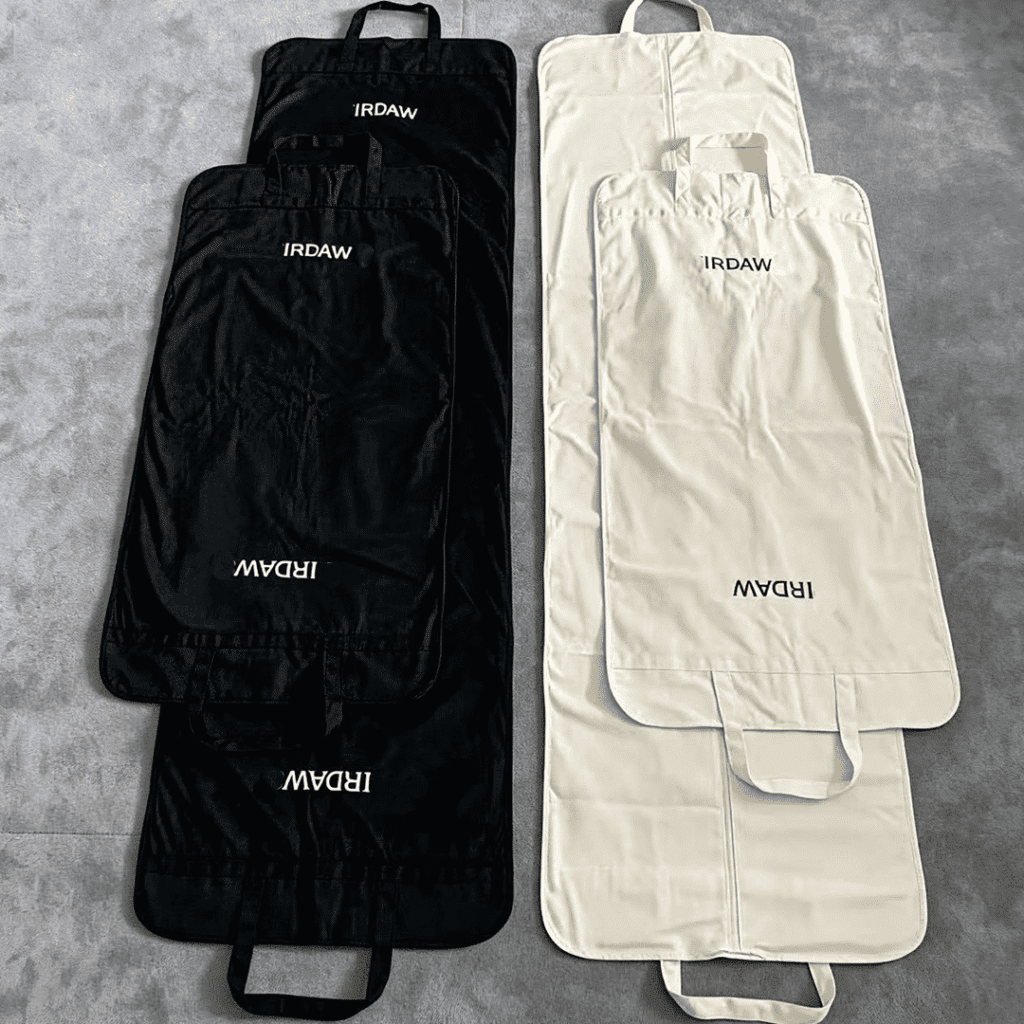
Why Size Is the #1 Factor for the Best Garment Bag
Standard Sizes of the Best Garment Bags for Retail Stores
Short Garment Bags (36–40 (L) x 23.6 (W) inches)
Medium Garment Bags (42–48 (L) x 23.6 (W) inches)
Long Garment Bags (54–60 (L) x 23.6 (W) inches)
Extra-Long Garment Bags (65–72 (L) x 23.6 (W) inches)
Best Garment Bag for Wedding Dress
Wedding dresses are unlike any other clothing item—they’re made with multiple layers of fabric, intricate beading, lace, and often long, voluminous trains. A standard extra-long bag won’t always be enough to protect them properly. The best garment bag for wedding dress is 72–84 inches long, with a built-in expandable train pouch that can be unzipped to accommodate even the longest cathedral trains. Look for bags made from breathable, non-woven fabric to prevent yellowing and mold during long-term storage, and wide, padded shoulder straps that work with heavy-duty wedding dress hangers. These bags not only protect gowns but also make a stunning presentation when brides pick up their dresses.

How to Pick the Best Garment Bag Sizes for Your Store
- Audit your inventory first: Take stock of what you sell most. If 80% of your business is suits, stock mostly medium garment bags. If you run a bridal shop, prioritize extra-long wedding dress bags.
- Always leave 2–3 inches of extra room: This gives clothes room to hang freely and prevents creases at the hem during storage or transport.
- Match the size to your use case: If you ship a lot of orders, look for foldable garment bags that fit in standard shipping boxes. If you mostly use them for in-store storage, non-foldable, sturdier options are better.
- Stock a small mix of sizes: Even if you mostly sell one type of clothing, keep a few bags of other sizes on hand for occasional items. This way, you’ll never be caught without the right size when you need it.
Final Quick Tips
- Always pair your garment bags with sturdy, wide-shoulder hangers to preserve the shape of structured clothes.
- Don’t overstuff garment bags—one item per bag is ideal for preventing wrinkles and damage.
- Customize your bags with your store’s logo to turn a simple storage item into free marketing.
- Store filled garment bags in a cool, dry place away from direct sunlight to prevent fabric fading and yellowing.
Need Expert Guidance?
ANG specializes in custom Garment Bag for global fashion brands. Contact us for a free consultation Design and Samples.
 English