
How Luxury Boutiques Use Wooden Cloth Hangers to Boost Customer Perception (And Reduce Returns)
Thomas, owner of a high-end men’s suit boutique in London, used to hang his £1,500 Italian wool suits on thin plastic hangers. “A regular client—who buys 6 suits a year—pulled me aside and said, ‘Tom, these suits deserve better than flimsy plastic,’” he recalled. The client pointed out how the plastic shoulders had stretched the suit’s lapels, making them look saggy on the rack. Thomas switched to thick, contoured wooden cloth hangers—and within two months, he noticed a shift: clients started commenting on how “sharp” the suits looked in-store, and returns for “misshapen shoulders” dropped by 40%. “I thought hangers were just for holding clothes,” he said. “Turns out, they’re part of how customers judge the suit’s quality.”
For luxury boutiques, every detail signals value—from the stitching on a blazer to the way it’s displayed. wooden cloth hangers, especially for tailored pieces like suits, do more than prevent wrinkles: they reinforce a brand’s commitment to quality, help clothes look their best, and even cut down on returns. Below’s how top boutiques leverage them—with real stories, plus where Clothes Hangers, Custom Hangers, and more fit in.
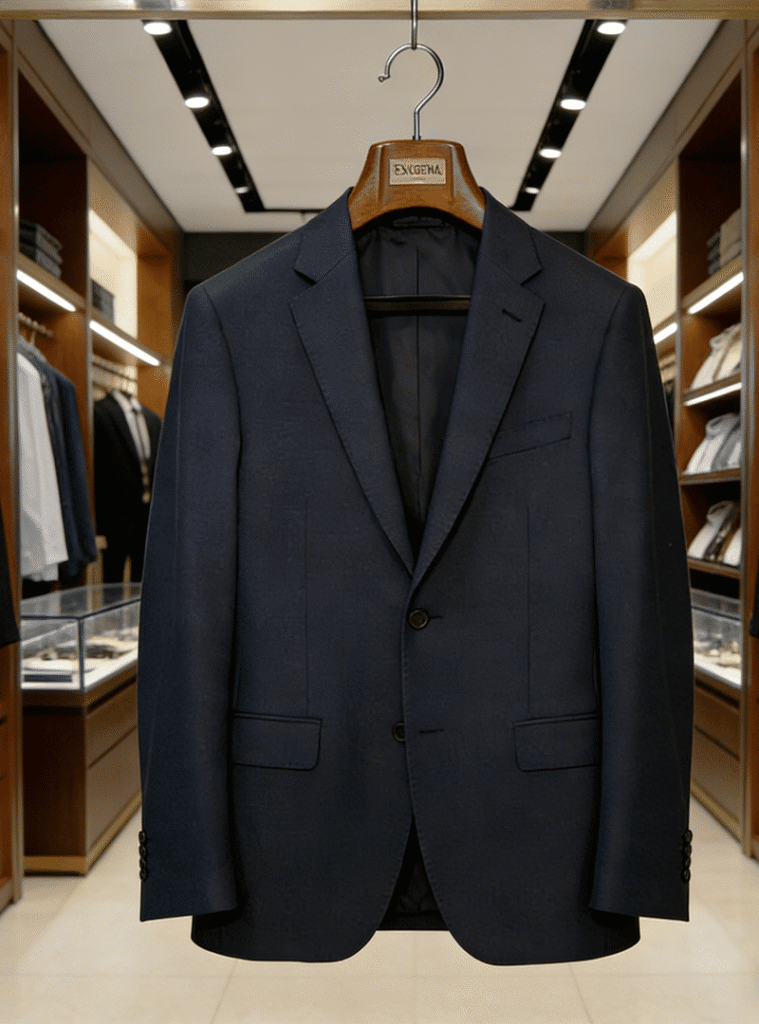

Wooden Cloth Hangers as “First Impression Makers”
A luxury suit’s first “introduction” to a customer is often through its hanger. Plastic hangers feel cheap and temporary; wooden ones feel intentional, like the boutique cares about preserving the garment’s integrity. This subtle signal sets the tone for how shoppers perceive the clothes.
Thomas now uses Custom Hangers with his boutique’s logo laser-etched on the wooden shoulder: “When a client reaches for a suit, the first thing they feel is smooth beech wood, contoured to match the suit’s shoulder shape. It says, ‘We pay attention to details—this suit is worth investing in.’” A Parisian tailor takes it further: he stains his wooden cloth hangers to match the rich tones of his suit linings. “Everything feels cohesive,” he notes. “Clients say it’s like the suit was ‘born’ on that hanger.”
Even small touches matter. A New York boutique sands each hanger by hand to remove any splinters: “A customer once told me he’d never felt a hanger so smooth—he ended up buying two suits that day. It’s the little things that make them think, ‘This place gets it.’”
The “Fit Preservation” Effect: Why Wooden Cloth Hangers Cut Returns
Luxury suit returns often boil down to one issue: “It looked better in the store.” Plastic hangers warp under a suit’s weight, stretching shoulders or creasing lapels—so the suit looks sharp in the boutique but sloppy once the customer takes it home. wooden cloth hangers, with their rigid, contoured shape, keep suits in their true form, so customers know exactly what they’re buying.
Thomas learned this the hard way: “A client bought a slim-fit suit that looked perfect on our plastic hanger—turns out, the hanger had stretched the shoulders by half an inch. He tried it on at home, and it felt loose. He returned it, and I lost a £1,500 sale.” After switching to wooden cloth hangers with reinforced shoulders, he says: “The suit’s shape stays consistent—what they see in-store is what they get at home. Returns for ‘poor fit’ dropped from 15% to 6%.”
This works for other tailored pieces too. A Milanese boutique uses a sturdy wooden jacket hanger for their cashmere overcoats: “Plastic hangers would bend, making the coat’s collar flop. Now, the wooden hanger holds the collar upright—customers see the coat’s true silhouette, and they’re less likely to return it.”
Turning Hangers Into “Loyalty Tools”
Luxury shoppers crave exclusivity—and wooden cloth hangers can be part of that “VIP treatment.” Boutiques that go the extra mile with hangers turn one-time buyers into repeat clients.
Thomas includes a complimentary wooden cloth hangers with every suit purchase: “We wrap the suit in our signature tissue, and tuck in the same hanger we used in the store. Clients say it feels like ‘taking a piece of the boutique home.’ Our repeat purchase rate went up 10% after we started doing this.”
Another tactic? Matching hangers to the customer’s wardrobe. A Beverly Hills boutique asks clients if they need extra hangers for their home closets: “A regular client mentioned he has a walk-in closet with wooden shelves—we sent him 10 matching Luxury Garment Hangers. He’s been shopping with us for 5 years now.”
Even basic Clothes Hangers get elevated: “We don’t just use any wood,” Thomas says. “We pick beech because it’s dense enough to hold a heavy suit but smooth enough to not snag the fabric. Clients notice that we’re thinking about their clothes’ longevity—not just the sale.”
Wrapping Up
Thomas now sees his wooden cloth hangers as an investment, not an expense: “Yes, they cost 5x more than plastic. But they’ve helped us sell more suits, reduce returns, and keep clients coming back. The numbers don’t lie—they pay for themselves.”
For luxury boutiques, wooden hangers are more than functional—they’re storytellers. They say, “We care about quality as much as you do,” and that message turns casual shoppers into loyal customers.
Next time you step into a luxury suit boutique, take a look at the hangers. Chances are, they’re wooden—and that’s no accident. It’s how the best boutiques turn a simple garment into an experience.
ANG specializes in Custom Wooden hangers for global fashion brands. Contact us for a free consultation Design, quotation, and Obtain samples.
 English