
Why Cheap Wooden Hanger Cost Retail Brands More: 3 Hidden Losses to Avoid
Mia, who owns a mid-sized women’s clothing boutique, used to order $1 cheap wooden hangers by the thousand. “They seemed like a steal,” she said. But after 6 months, she noticed a problem: half the hangers had cracked, and she was reordering every month. Worse, customers started returning dresses with shoulder dents—caused by the flimsy hangers warping under the fabric. “I calculated it: those $1 hangers ended up costing me $3 per unit in replacements and returns. I should’ve invested in better ones from the start.”
Retail brands often chase cheap wooden hangers to cut upfront costs, but they overlook the hidden losses: frequent replacements, damaged inventory, and damaged brand trust. Below are the 3 costliest hidden losses—with real stories from retailers, and why investing in sturdier options (like Beech Wood Hangers) saves money long-term.
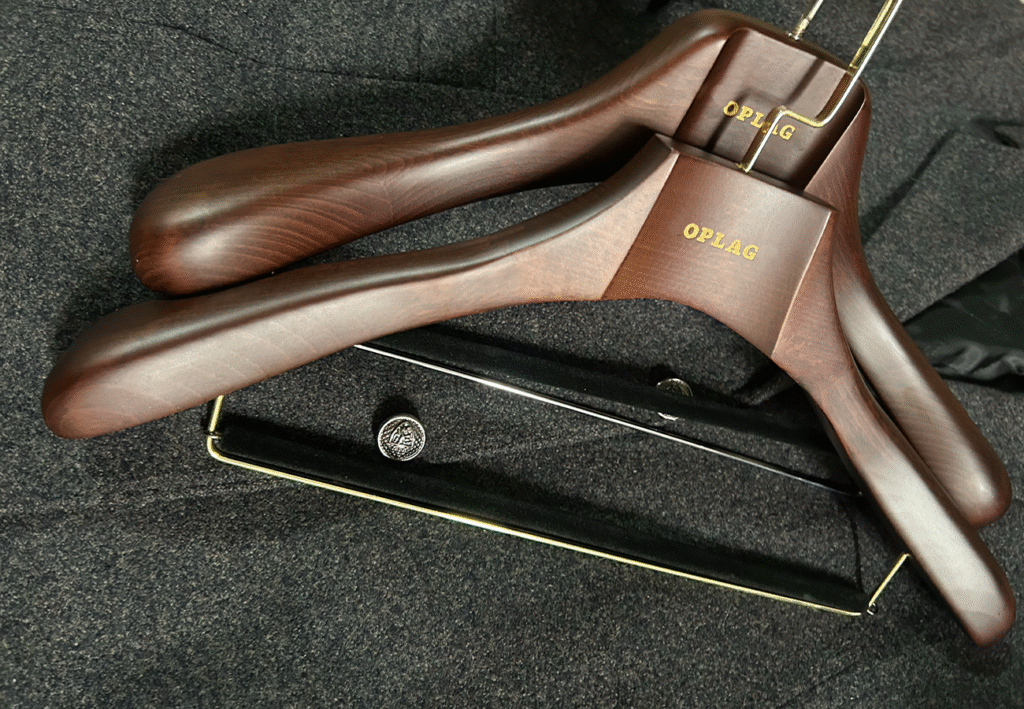
Hidden Loss #1: Frequent Replacements (The “Cheap” Price Tags Add Up)
Cheap wooden hangers—usually made from soft, low-grade wood like pine—aren’t built to last. They crack at the shoulders, splinter at the hooks, or warp in humid stores. Retailers end up reordering every 2–3 months, turning a “$1 per hanger” deal into a recurring expense.
Mia’s boutique went through 5,000 cheap hangers in a year: “I paid $5,000 upfront, but I had to replace 3,000 of them because they cracked. That’s an extra $3,000—plus the time my staff spent sorting broken ones and restocking. A better wood hanger would’ve cost $3 each, but I’d only need 5,000 total, not 8,000. It’s math that adds up fast.”
Contrast that with a men’s store owner who switched to Beech Wood Hangers: “Beech is dense and resists warping. I bought 2,000 three years ago, and I’ve only replaced 50. The upfront cost was higher, but I’ve saved $4,000 in replacements.”
The fix: Choose hangers made from hard woods (beech, cedar) that last 5+ years. The upfront cost is 2–3x higher, but the total cost over time drops by 60%.
Hidden Loss #2: Damaged Inventory (Dents, Snags, and Returns)
Cheap wooden hangers have rough edges, weak shoulders, and thin hooks—all of which ruin clothes. A warped hanger bends under a wool coat, leaving permanent shoulder dents. Splinters from low-grade wood snag silk blouses. A flimsy hook snaps, sending a $200 dress crashing to the floor.
Jake, who runs a luxury men’s suit store, learned this the hard way: “I used cheap hangers for my $800 suits. After a month, half the suits had shoulder dents from the hangers warping. Customers noticed—30% of those suits got returned, costing me $12,000 in lost sales. I switched to Luxury wooden hanger options, and returns dropped to 5%.”
Even fast-fashion stores aren’t immune. A Zara-style retailer reported $5,000 in monthly losses from damaged dresses: “The cheap hangers’ rough edges snagged lace and satin. We either had to discount the dresses or throw them away.”
The fix: Look for hangers with sanded, smooth edges and reinforced shoulders (at least 0.5 inches thick). They protect clothes, cutting return rates by 20–30%.
Hidden Loss #3: Eroded Brand Trust (Customers Notice “Cheap” Details)
Retail is about perception—and cheap wooden hangers send a message: “We cut corners.” Customers notice when a $300 dress hangs on a splintered, warped hanger. It makes the product feel less valuable, lowering perceived quality and reducing repeat purchases.
A luxury skincare boutique owner switched to Branded Hangers after customer feedback: “We sell $150 robes, but they hung on cheap wooden hangers. A regular customer said, ‘If you skimp on the hanger, what else do you skimp on?’ We switched to branded, high-quality wood hangers, and our repeat rate jumped 15%. Customers notice the little things.”
Even budget retailers suffer. A fast-fashion chain found that stores using sturdier wood hangers had 10% higher average order values: “Customers associate nice hangers with better quality—even if the clothes are the same price.”
The fix: View hangers as part of your branding. A well-made wood hanger (even without logos) signals care, boosting customer trust and repeat sales.
3 Questions to Stop Wasting Money on Cheap Hangers
How long will they last? If the supplier says “6–12 months,” factor in replacement costs.
Will they protect my clothes? Ask for samples—test if edges are smooth and shoulders are reinforced.
What message do they send? Hold the hanger next to your priciest item—does it match the quality?
Wrapping Up
Mia now uses Beech Wood Hangers in her boutique: “I spent $15,000 upfront for 5,000 hangers, but I haven’t replaced any in a year. No more dented dresses, no more returns, and customers comment on how ‘nice’ the hangers are. It’s saved me $8,000 so far.”
Cheap wooden hangers aren’t a “deal”—they’re a drain on your budget, inventory, and brand. The hidden losses—replacements, damaged clothes, lost trust—cost 3–5x more than investing in sturdier options.
Next time you order hangers, do the math: upfront savings aren’t worth the long-term pain. Your bottom line (and your customers) will thank you.
Need Expert Guidance?
ANG specializes in custom hangers for global fashion brands. Contact us for quotation and sample.
 English