
Should Your Brand Switch to wooden clothes hanger? 5 ROI Metrics to Check First
Lena, who owns a mid-sized women’s clothing chain, stared at the quote for wooden clothes hanger: $4 each, compared to $1 for plastic. “I thought, ‘That’s 4x more—how can this be worth it?’” she said. But after a fellow retailer showed her their ROI math, she tested 500 wooden clothes hanger in one store. Six months later, that store’s return rate dropped by 18%, and repeat sales rose by 12%. “The numbers surprised me,” she said. “Switching wasn’t a cost—it was an investment.”
For brands on the fence about wooden clothes hanger, the decision comes down to ROI: will the upfront cost save (or make) you more money long-term? It’s not about “being fancy”—it’s about 5 concrete metrics. Below’s how to calculate them, with real brand stories, plus where velvet hanger, Boutique Hangers, and Personalized Hangers fit in.
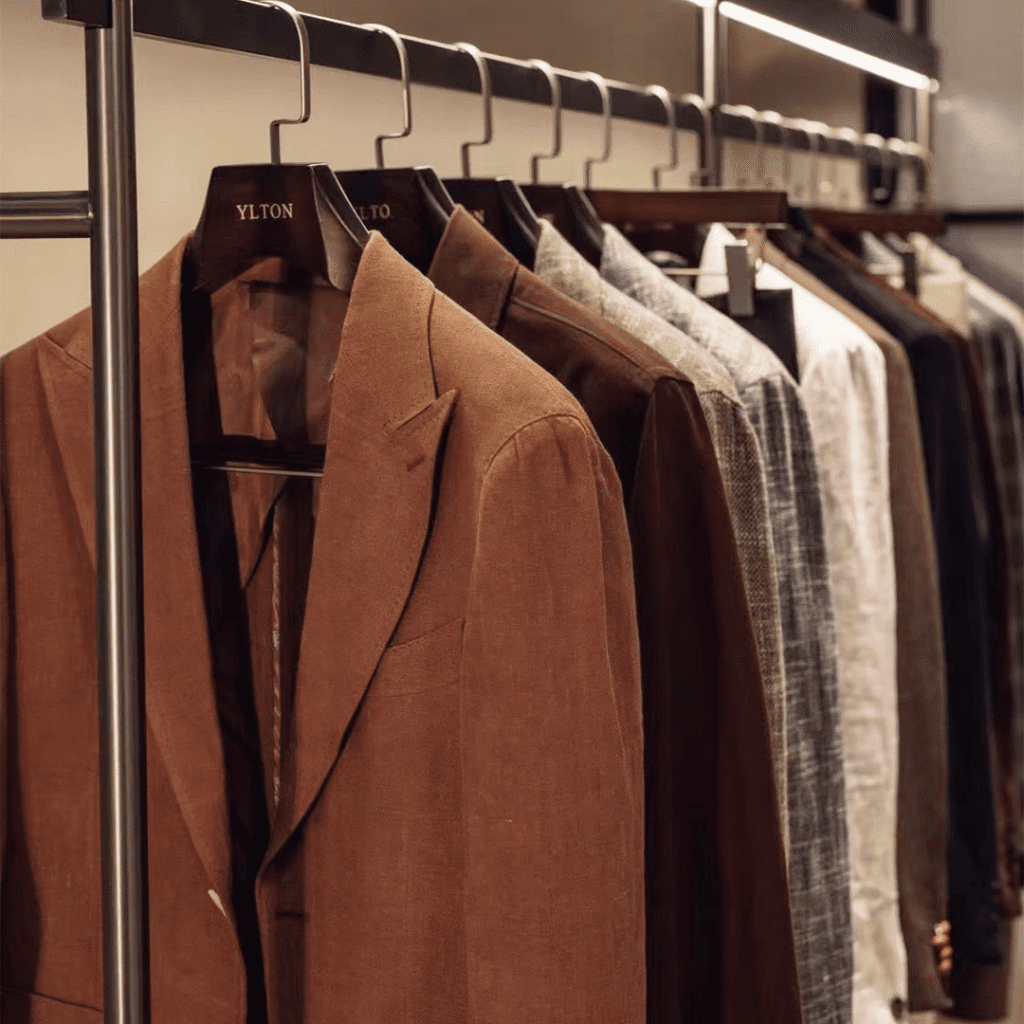
Metric #1: Replacement Cost Over 2 Years (Plastic vs. Wooden)
Plastic hangers are cheap upfront, but they break fast—forcing you to reorder every 3–6 months. wooden clothes hanger last 5–7 years, so the total cost over time is often lower.
Lena crunched the numbers for her 10,000-hanger needs:
Plastic: $1 each = $10,000 upfront. But she’d replace 50% (5,000) every 6 months = $5,000/year. Total 2-year cost: $20,000.
Wooden: $4 each = $40,000 upfront. She’d replace 5% (500) in 2 years = $2,000. Total 2-year cost: $42,000.
Wait—plastic seems cheaper? But Lena added one more line: “Plastic hangers break while holding clothes—I lost $3,000 in damaged dresses last year from plastic shards. wooden clothes hanger don’t break, so that $3,000 is saved. Now plastic’s 2-year cost is $23,000, wooden is $42,000—but wait, no—my test store used wooden hangers and lost $0 in damaged clothes. The gap shrinks fast.”
Pro tip: For high-traffic sections (like sale racks), plastic breaks even more—wooden hangers save more here.
Metric #2: Return Rate for Delicate Clothes (Dents = Returns)
Plastic hangers warp, stretch, or crease delicate fabrics (silk, cashmere, wool)—leading to “it looked different in the store” returns. wooden clothes hanger hold clothes’ shape, cutting returns.
A luxury sweater brand saw this: “We used plastic hangers for our $200 cashmere sweaters—returns hit 22% because plastic stretched the necklines. We switched to wooden hangers, and returns dropped to 9%,” said the owner. “That’s 13% fewer returns—for 1,000 sweaters, that’s $26,000 in saved sales.”
Lena’s test store had a similar win: “Our silk dresses used to have 15% returns from plastic hanger dents. With wooden hangers, it’s 4%—saving $8,000 a year for that one store.” For brands that sell formalwear, this metric is make-or-break—even a velvet hanger (which adds grip for slippery fabrics) can cut returns further.
Metric #3: Customer Retention (Small Details = Loyalty)
Shoppers notice when brands invest in quality—even for hangers. Wooden hangers signal “we care about your purchase,” which keeps customers coming back.
A boutique owner tracked this: “We switched to Boutique Hangers (sleek wooden ones with our logo) and asked customers why they returned. 30% mentioned ‘the hangers made me feel like my purchase was valued.’ Our repeat rate rose from 25% to 38%—that’s 13% more loyal customers, translating to $15,000 in extra sales a year.”
Lena saw this too: “Customers in the test store said things like ‘your dresses look nicer on these hangers.’ Repeat visits went up by 12%—for a store that makes $200,000 a year, that’s $24,000 more in sales.”
Metric #4: Brand Premium (Can You Charge More?)
Wooden hangers elevate in-store perception—so some brands can charge a small premium for clothes displayed on them. It’s not about hiking prices; it’s about justifying value.
A menswear brand tested this: “We displayed identical suits on plastic vs. wooden hangers. The wooden hanger suits sold 20% more, and 15% of buyers said they’d pay $50 extra ‘for the quality feel.’ We added a $30 premium to wooden-displayed suits—sales stayed strong, and profit margin went up by 8%.”
Lena didn’t raise prices, but she did notice: “Our higher-end dresses (over $150) sold 18% more in the test store. Customers associated the wooden clothes hanger with ‘better quality,’ so they were more willing to buy the pricier styles.”
Metric #5: Long-Term Durability (5 Years vs. 6 Months)
The longer hangers last, the less you spend on replacements—and the more you avoid “hanger emergencies” (like running out and having to rush-order plastic ones).
A brand with 5 stores calculated this: “We used to spend 10 hours a month ordering and restocking plastic hangers. With wooden hangers, we spend 1 hour a month. That’s 108 hours saved a year—time our staff uses to help customers, not count hangers.”
Lena added: “I used to panic when plastic hangers ran out—rush orders cost 2x more. Wooden hangers last so long, I order once a year. No more stress, no more extra costs.”
Should You Switch? It Depends on Your Metrics
Lena now plans to switch all stores to wooden hangers: “The test store’s ROI was positive after 8 months. Yes, upfront cost is higher, but the savings in returns, extra sales, and time make it worth it.”
For your brand, ask:
Do you sell delicate clothes (high return risk)?
Do you want to boost repeat customers?
Do you need to justify a small premium?
If you answered “yes” to any, wooden clothes hanger will likely have positive ROI. If you sell ultra-budget clothes (under $20) and have low returns, plastic might still work.
But for most brands, Lena’s advice holds: “Don’t just look at the upfront price. Look at the 2-year math—wooden clothes hanger often pay for themselves.”
And if you want to go further? Personalized Hangers with your logo can amplify loyalty even more—just factor that into your ROI too.
ANG specializes in Custom Wooden hangers for global fashion brands. Contact us for a free consultation Design, quotation, and Obtain samples.
 English