
Mistakes to Avoid When Ordering Custom Shopping Bags for Clothing (Print, Size, Material)
Sofia, who runs a linen dress shop, wasted $450 on 500 custom bags last year. She picked thin white paper and faint gray ink—bags tore easily, and the logo blended into the paper. “I skipped small checks to save time,” she said. “Now I know those checks prevent waste.”
Ordering custom shopping bags for clothing often fails because of tiny, fixable mistakes. Below’s how to avoid the top ones—print, size, material—plus quick fixes, with nods to brown paper bags, white paper bags, and Paper Bags with Logo.
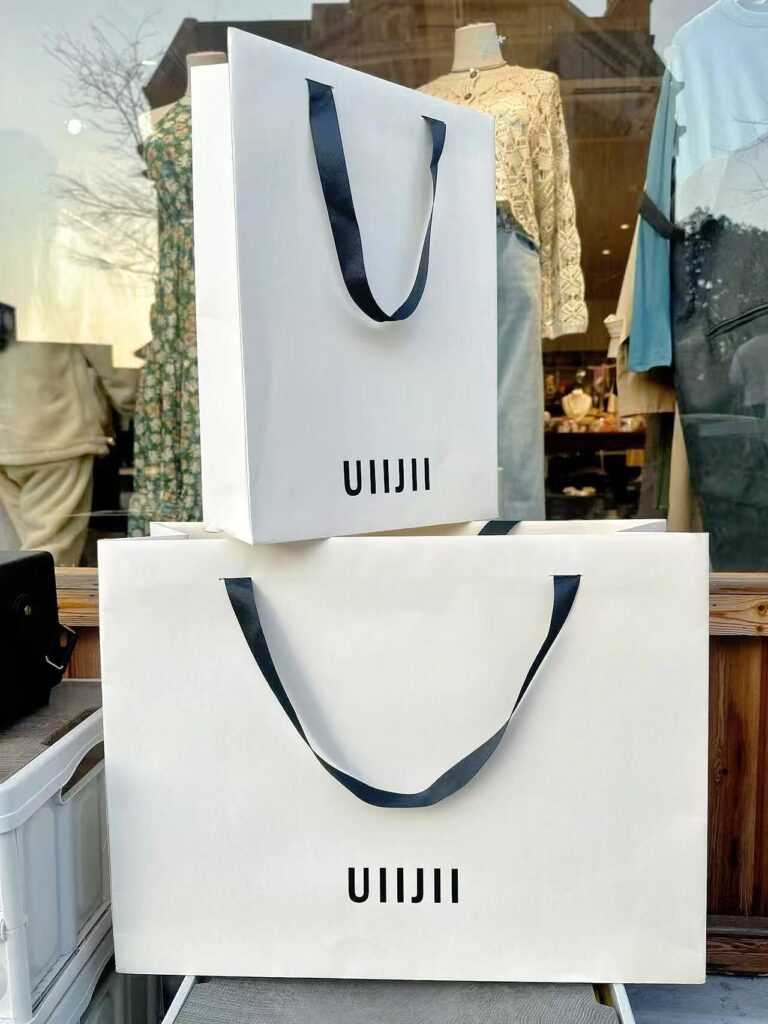
Print Mistakes: When Your Brand Disappears
Mistake 1: Logo Placement That Creases
A Brooklyn knitwear brand ordered custom shopping bags with Logo, approving a digital proof for “center print.” The final bags had logos crumpled at the fold—customers couldn’t read the brand name.
Fix: Get a physical sample. Fold it like you would for a garment; if the logo creases, move it 1–2 inches below the fold. The brand now uses this trick, and crumples are gone.
Mistake 2: Ink That Fades or Clashes
Sofia’s light gray ink on white paper bags faded instantly. Dark inks (navy, gold) work better for white paper—they pop. For brown paper bags, skip dark ink (it looks muddy); try cream or forest green. Always test ink: leave a sample in sunlight 24 hours to check fading.
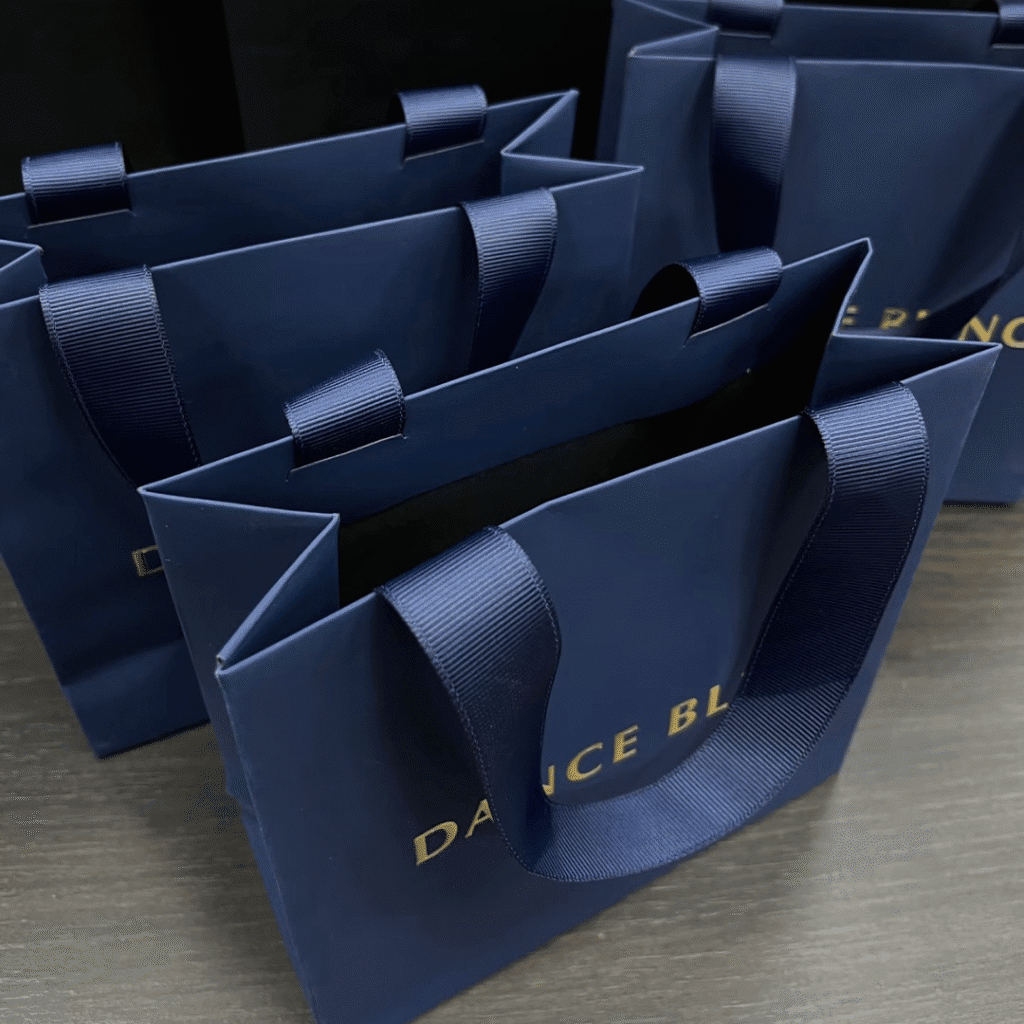
Size Mistakes: When the Bag Doesn’t Fit
Jake’s suit shop ordered 18x12x4-inch bags—too small for folded suits. He had to crease blazers, leading to 15% return rates for “wrinkled garments.”
Fix: Measure your folded garment (sweater, suit, dress), then add 2 inches to height/width/depth. A 14x10x3-inch folded sweater needs a 16x12x5-inch bag. Order 2–3 sizes if you sell multiple items (scarves, coats)—don’t force one size.
Material Mistakes: When Paper Ruins Clothes
A Miami bridal boutique used brown paper bags for lace dresses—rough texture snagged lace, costing $2,000 in discounted dresses.
Fix: Match paper to fabric:
Delicates (silk, lace): White paper bags (smooth, coated) to avoid snags.
Sturdy fabrics (denim, wool): Thick brown paper bags—durable, no scratches.
Formal wear (gowns): Rigid white paper bags—hold shape without crushing beading.
Two Small (But Costly) Mistakes
Mistake 1: Skipping Physical Samples
A Denver coat brand ordered 400 thin bags without sampling—they tore under wool coats. Reordering doubled their cost.
Fix: Always get 2–3 physical samples. Test packing a garment and checking for tears.
Mistake 2: Ignoring MOQ
A scarf brand loved a design but missed the supplier’s 500-bag MOQ. They bought 500, leaving 400 unused.
Fix: Ask MOQ upfront. If it’s too high, find small-batch suppliers (many offer MOQs as low as 100).
Wrapping Up
Sofia now uses a checklist: measure folded dresses, test logo samples, match paper to linen. “It adds a week, but no more wasted money,” she says.
The key is simple: don’t rush. Test prints, measure garments, match materials. Whether you choose brown paper bags for denim, white paper bags for silk, or Paper Bags with Logo—small checks make the bag work for your clothes, not against them.
Next time you order, pause. Grab a sample garment, measure, and ask for a physical bag. Your budget will thank you.
Need Expert Guidance?
ANG specializes in custom packaging for global fashion brands. Contact us for a free consultation Design and Samples.
 English