
eco friendly garment bags: Sustainable Choices (No Plastic!)
Lila, founder of a small eco-linen brand, used to stock plastic garment bags—until a customer pointed out the contradiction: “You sell sustainable dresses, but wrap them in plastic that ends up in landfills.” She switched to eco-friendly options and saw her repeat customer rate jump 20%. “It’s not just about being ‘green’—it’s about matching our brand’s values,” she said.
For anyone who cares about reducing plastic waste (and keeping clothes safe), eco-friendly garment bags are a no-brainer. But “sustainable” doesn’t mean flimsy— the best options are durable, breathable, and designed to protect suits, dresses, and coats. Below are 5 plastic-free choices, with real stories and design tips—plus where dress bag, clothes cover, and dust cover fit in.
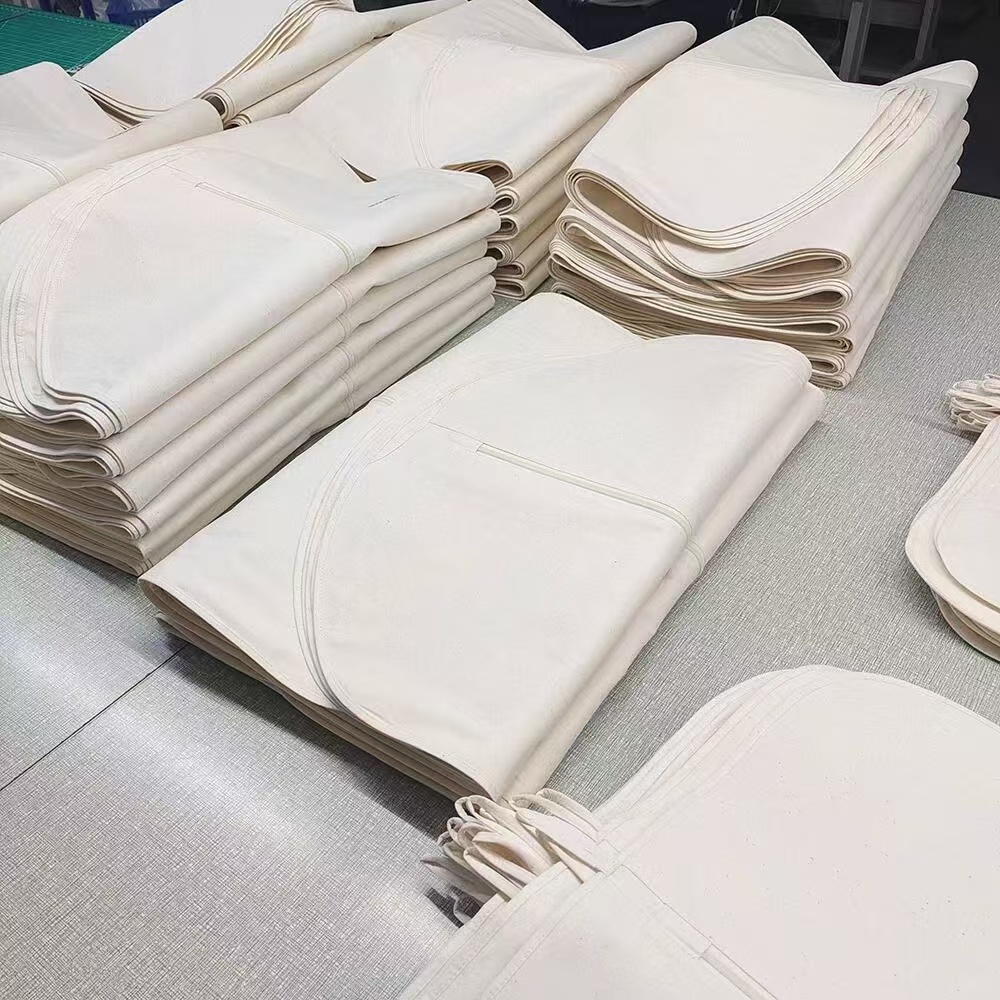
Organic Cotton: Soft & Breathable for Daily Storage
Organic cotton (grown without pesticides) is a staple for eco-friendly garment bags. It’s soft enough for delicate fabrics like silk or linen, breathable (prevents mustiness), and machine-washable—perfect for long-term closet storage.
Lila uses organic cotton for her brand’s dress bag designs: “Our linen dresses need gentle protection, and organic cotton doesn’t scratch or trap moisture. Customers love that they can reuse the bag as a clothes cover for other items later.” It’s also easy to dye with natural pigments (think earthy beiges or soft greens) to match brand aesthetics.
Best for: Dresses, linen, silk, daily closet storage.
Design tip: Add a drawstring closure (instead of plastic zippers) for extra sustainability.
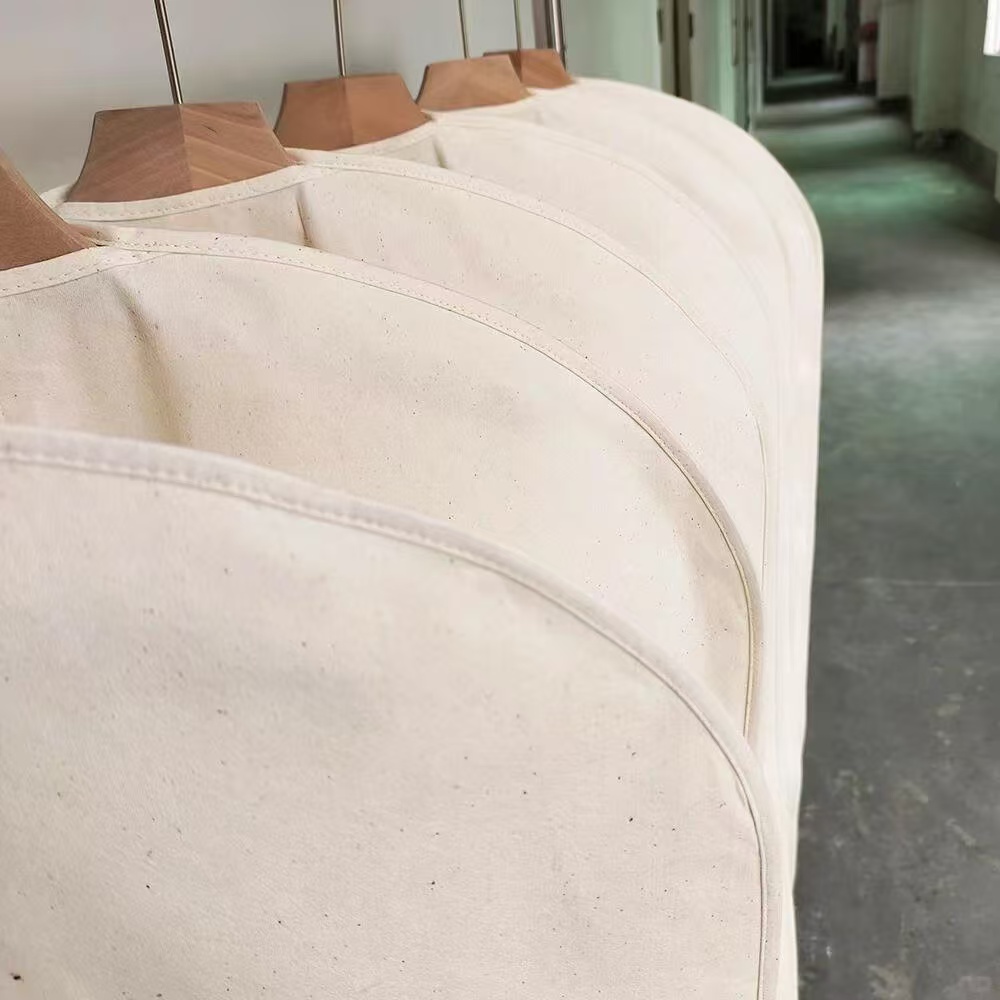
Recycled Polyester: Tough for Travel (From Plastic Bottles!)
Recycled polyester (made from melted-down plastic bottles) might sound counterintuitive—but it keeps plastic out of oceans and landfills. It’s water-resistant, tear-proof, and ideal for travel garment bags that need to withstand airport wear.
A business traveler I know uses a recycled polyester garment bag for his wool suits: “It’s as durable as regular polyester, but I feel good knowing it kept 5 plastic bottles out of a dump. I even use it as a dust cover for my suit when it’s in the hotel closet.” The material is also lightweight, so it doesn’t add extra bulk to luggage.
Best for: Travel, suits, heavy fabrics, wet weather.
Design tip: Look for GRS certification (Global Recycled Standard) to ensure it’s truly made from recycled materials.
Hemp: Strong & Natural for Heavy Coats
Hemp grows fast without pesticides or extra water, making it one of the most sustainable fabrics. It’s thick, tough, and resistant to mildew—perfect for protecting heavy coats or winter outerwear.
A vintage clothing shop owner swears by hemp garment bags: “Our wool overcoats are expensive, and hemp keeps them dust-free without plastic. It’s so durable, a single bag lasts 5+ years—way longer than cheap cotton.” Hemp also has a unique texture that adds a rustic, premium feel to the bag.
Best for: Coats, outerwear, vintage clothing, long-term storage.
Design tip: Line with thin organic cotton (hemp can be slightly rough on delicate linings).
Compostable PLA-Cotton Blend: Zero-Waste for Disposable Needs
PLA (polylactic acid, made from corn starch) blended with cotton creates a bag that’s compostable— it breaks down in soil in 6–12 months. It’s lightweight enough for short-term use, like gifting a dress or transporting a suit to a one-time event.
A bridal boutique uses this blend for their dress bag giveaways: “Brides don’t need a permanent bag for their wedding dress after the big day—this one composts, so no waste. It still protects the dress from dirt during transport, which is key.” It’s also clear enough to show off the dress without opening the bag.
Best for: One-time events, gifts, short-term transport.
Design tip: Avoid washing (PLA breaks down in water)—use for dry, temporary use only.
- Recycled Canvas: Sturdy for Multi-Purpose Use
Recycled canvas (made from old tents, sails, or industrial fabric) is ultra-durable and versatile. It works for everything from storing suits to carrying a dress to a party—and it has a worn-in, vintage look that customers love.
A menswear brand uses recycled canvas for their garment bags: “We print our logo on it, and customers use it as a weekend bag too—double the value. It’s thick enough to act as a clothes cover for suits in transit, and it doesn’t fray like new canvas.”
Best for: Multi-purpose use, suits, casual wear, branding.
Design tip: Add leather accents (recycled, of course) for a premium touch—avoids plastic hardware.
How to Pick the Right One (3 Quick Questions)
– What will you use it for? Storage = organic cotton/hemp; travel = recycled polyester; gifts = PLA blend.
– How long do you need it to last? Long-term = hemp/recycled canvas; short-term = PLA blend.
– Does it match your fabric? Delicates = organic cotton; heavy coats = hemp/recycled canvas.
Lila now stocks 3 options: organic cotton for dresses, recycled polyester for travel, and PLA blend for gifts. “Customers appreciate the choice—they can pick what fits their needs,” she said.
Wrapping Up
Eco-friendly garment bags aren’t just a “trend”—they’re a way to reduce plastic waste while protecting your clothes. Whether you need a dress bag for a silk gown, a dust cover for a suit, or a travel bag for coats, there’s a plastic-free option that’s durable and aligned with your values.
Next time you shop, ask: “Where does this material come from? Will it break down or be reused?” The answer will tell you if it’s truly sustainable. Your clothes (and the planet) will thank you.
Need Expert Guidance?
ANG specializes in custom Garment Bag for global fashion brands. Contact us for a free consultation Design and Samples.
 English