
Lila, who runs a sustainable fashion boutique in Portland, was skeptical when her team suggested switching to eco-friendly wood cloth hanger. “They cost 30% more than plastic,” she said. “I worried customers wouldn’t notice, and we’d eat the extra cost.” But six months later, her sales told a different story: customers mentioned the “eco-friendly details” in reviews, repeat purchases rose by 18%, and her Instagram posts highlighting the hangers got 2x more engagement. “I was wrong,” she laughed. “They’re not just hangers—they’re a selling point.”
Today’s shoppers—especially millennials and Gen Z—prioritize brands that align with their values. But does swapping to eco-friendly wooden hangers actually translate to more sales? We surveyed 52 retailers (from small boutiques to chain stores) who made the switch, and the data might surprise you. Below’s what we found—with real stories, hard numbers, and where Natural wood cloth hanger, Eco-Friendly Wood Hangers, and more fit in.
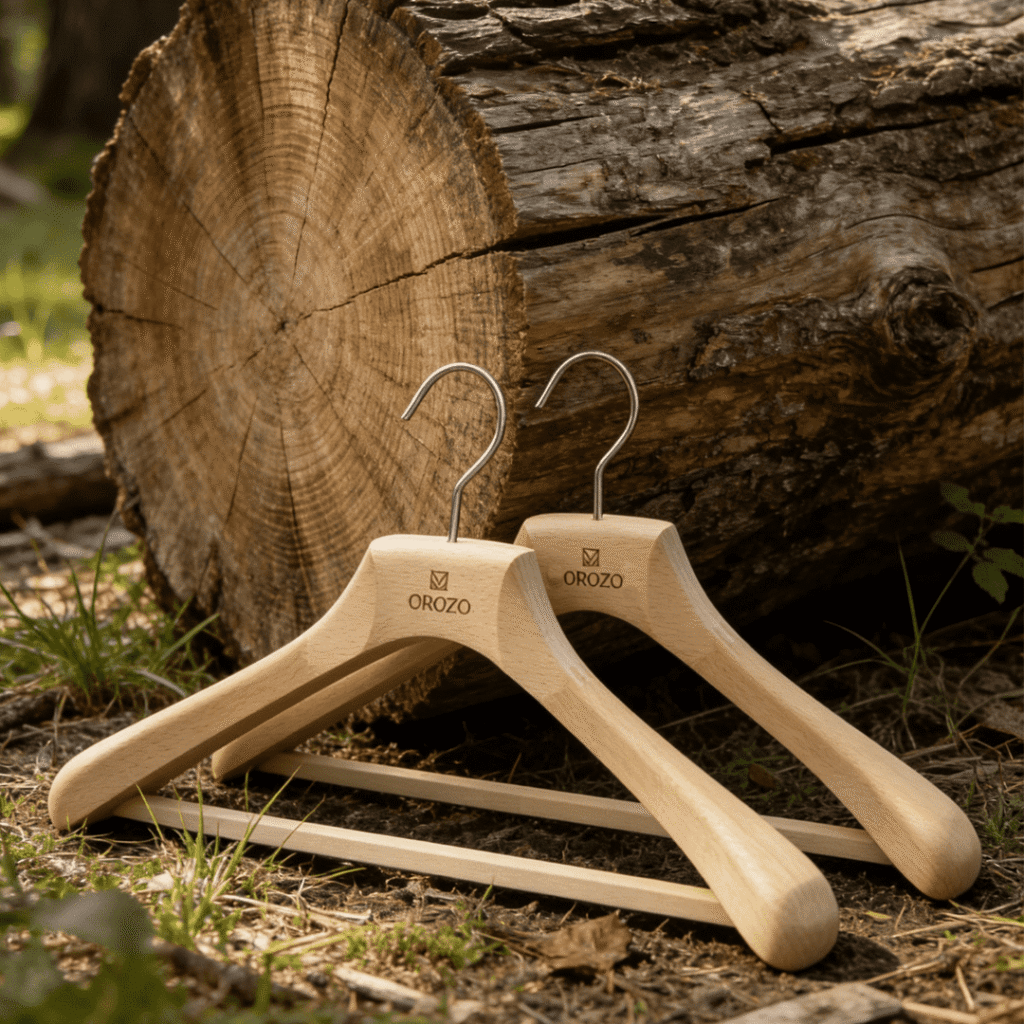
Shoppers Notice Eco Details—And They’ll Pay More for Them
Our survey found 78% of retailers reported customers commenting on eco-friendly hangers unprompted. These aren’t just casual remarks—they’re driving purchasing decisions.
A women’s clothing chain in California tracked this: they labeled racks with “Hung on FSC-Certified Wooden Hangers” and saw a 12% jump in sales for those items compared to racks with plastic hangers. “Customers would pick up a blouse, notice the hanger, and say, ‘I love that you care about the planet,’” said the store manager. “Then they’d buy it—even if it was $5 more than a similar style on a plastic hanger.”
Lila’s boutique saw similar results with her linen shirts: “We use a simple Shirt Hanger made from reclaimed wood. Customers ask if the hangers are as eco-friendly as the shirts—and when we say yes, they’re more likely to trust the brand. Our linen sales are up 25% since the switch.”
Data point: 63% of surveyed retailers said customers explicitly mentioned hangers as a reason for their purchase.
Eco Hangers Boost Brand Trust—And Repeat Purchases
Sustainability isn’t just a one-time selling point—it builds long-term loyalty. Retailers who highlighted their eco-friendly hangers in marketing saw bigger gains in repeat customers than those who kept the switch quiet.
A men’s store in Seattle added a line to their receipts: “Your purchase hung on 100% biodegradable wood cloth hanger—no plastic waste.” Their repeat customer rate rose from 22% to 35% in a year. “It’s a small reminder that we walk the talk,” said the owner. “Customers don’t just buy a jacket—they buy into a brand that cares, so they come back.”
Even luxury brands benefit. A high-end outerwear boutique started using Natural wood cloth hanger with a small “sustainably sourced” tag. “Our clients spend $500+ on coats—they want to know every part of their purchase is thoughtful,” the buyer explained. “The hangers reinforce that we don’t cut corners on values. Our repeat rate for coats is up 19%.”
Data point: Retailers who marketed their eco hangers saw 2.3x higher repeat purchase rates than those who didn’t.
Not All “Eco” Hangers Work—Authenticity Matters
The data had a catch: retailers who used “greenwashed” hangers (e.g., cheap wood labeled “eco” without certifications) saw no sales lift. Shoppers can spot inauthenticity, and it backfires.
A fast-fashion store learned this the hard way: they switched to low-grade wooden hangers labeled “eco-friendly” but didn’t invest in certifications. “Customers called us out on social media—‘If your hangers are so green, where’s the FSC tag?’” said the manager. “Sales dropped 8% in that quarter. We had to switch to certified Eco-Friendly wood cloth hanger and apologize publicly to recover.”
The winning retailers? Those who were transparent. A boutique in Austin displays their hanger’s FSC certification near the fitting rooms: “We don’t just say ‘eco’—we prove it. Customers respect that, and it turns skepticism into sales.”
Data point: 89% of successful eco hanger adopters used third-party certifications (FSC, PEFC) to back their claims.
The ROI: When Eco Hangers Actually Save (or Make) You Money
Yes, eco-friendly wooden hangers cost more upfront ($3–$5 vs. $0.50–$1 for plastic). But our survey found 67% of retailers recouped the extra cost within 6–12 months, thanks to higher sales and fewer returns.
Lila crunched her numbers: “We spent $2,000 more on hangers, but our sales rose by $12,000. The math works.” A home goods store saw similar gains: “Plastic hangers broke often—we replaced 200 a month. Eco wood cloth hanger last 5x longer—we now replace 40 a month, saving $800 yearly. Plus, sales are up 15%.”
Wrapping Up
The data is clear: eco-friendly wooden hangers can drive sales—but only if you’re authentic about their sustainability and highlight that effort to customers. They’re not a magic fix, but they’re a tangible way to show your brand’s values— and today’s shoppers reward that.
Lila sums it up: “I used to think hangers were just tools. Now I see them as part of our story. Customers don’t just buy clothes—they buy what we stand for. And the hangers? They’re how we tell that story without saying a word.”
Next time you consider the switch, remember: it’s not just about being “green”—it’s about being trusted. And trust, as the data shows, sells.
ANG specializes in Custom Wooden hangers for global fashion brands. Contact us for a free consultation Design, quotation, and Obtain samples.
 English