
5 Mistakes to Avoid When Buying a Clothing Covers (Costly Errors!)
Amy, a teacher who wears blazers daily, bought a pack of “affordable” clothing covers last fall. By winter, her favorite wool blazer had mildew spots—she later realized the plastic Clothing Covers trapped moisture in her closet. “I spent 40oncoversand80 to dry-clean the blazer,” she said. “It was a total waste—I should’ve checked the material first.”
Buying a clothing cover feels like a no-brainer, but small missteps can ruin expensive clothes or force you to rebuy covers. Most errors happen when you skip checking details that matter: breathability, size, or how you’ll actually use the cover. Below are the 5 costliest mistakes, with real stories and easy fixes—plus where clothing protector, storage garment bag, and more fit in.
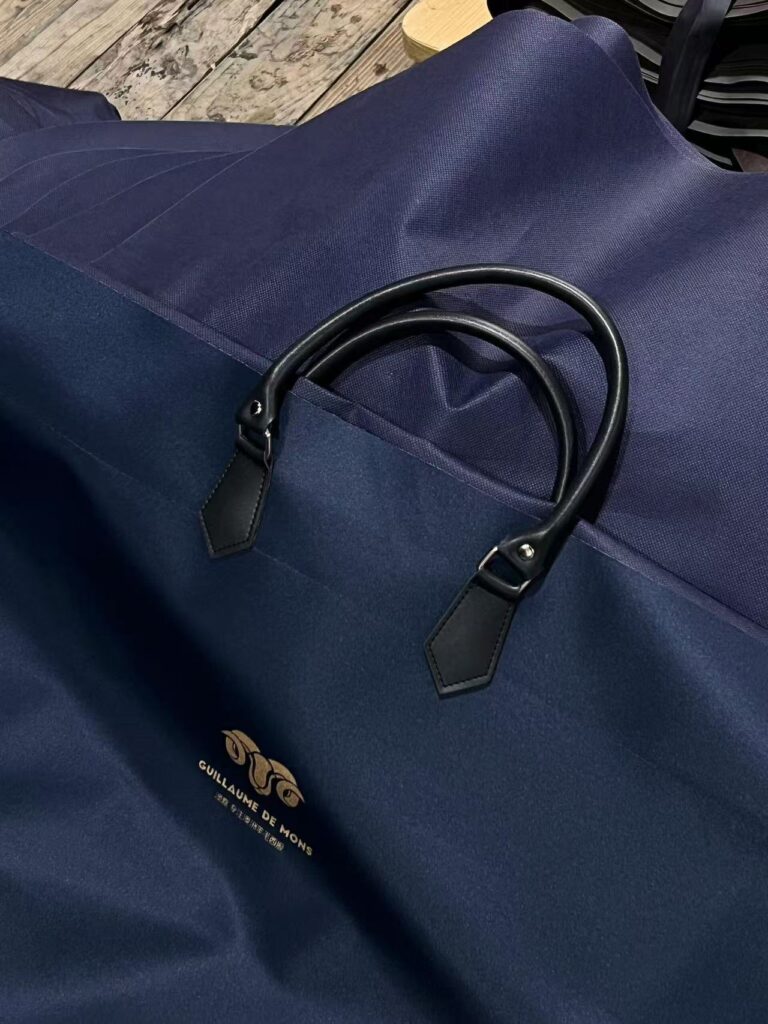
Mistake: Choosing Non-Breathable Fabric (Traps Moisture = Mildew)
Plastic, vinyl, or thick polyester covers seal in humidity—death for wool, cashmere, or silk. Amy’s plastic covers looked durable, but they turned her closet into a damp trap: “The blazer smelled musty after a month, and I found black spots on the sleeve. The dry cleaner said the moisture had no way to escape.”
The fix? Opt for a breathable garment cover. Look for cotton, linen, or mesh blends—they let air circulate while keeping dust out. A local tailor told me: “Breathable covers act like a clothing protector for delicate fabrics—no mildew, no stale odors.” Avoid “waterproof” labels for indoor storage; waterproof usually means non-breathable for budget options.
Cost of error: 50–200 (dry cleaning/ruined clothes) + 20–50 for new covers.
Pro tip: Hold the cover up to a light—if you can see faint light through it, it’s breathable.
Mistake: Buying “One-Size-Fits-All” (Too Tight = Tears; Too Loose = Dust)
“One-size” covers rarely fit every piece—too small, and they stretch or tear fabric; too big, and dust sneaks in through gaps. Tom, a groom, bought a one-size cover for his wedding tux: “I had to yank the zipper to close it, and it tore the tux’s silk lining. I paid $150 to fix it before the wedding.”
Measure your clothes first! For coats, measure from shoulder to hem; for dresses, add 2 inches to the bust width. If you’re storing multiple items (like 2–3 blazers), get a storage garment bag—they have dividers to keep clothes separate and fit better than single covers.
Cost of error: 80–300 (fabric repairs/replacement clothes) + 30–60 for new covers.
Pro tip: Choose covers with elastic hems—they adjust slightly for odd-sized pieces (like long coats).
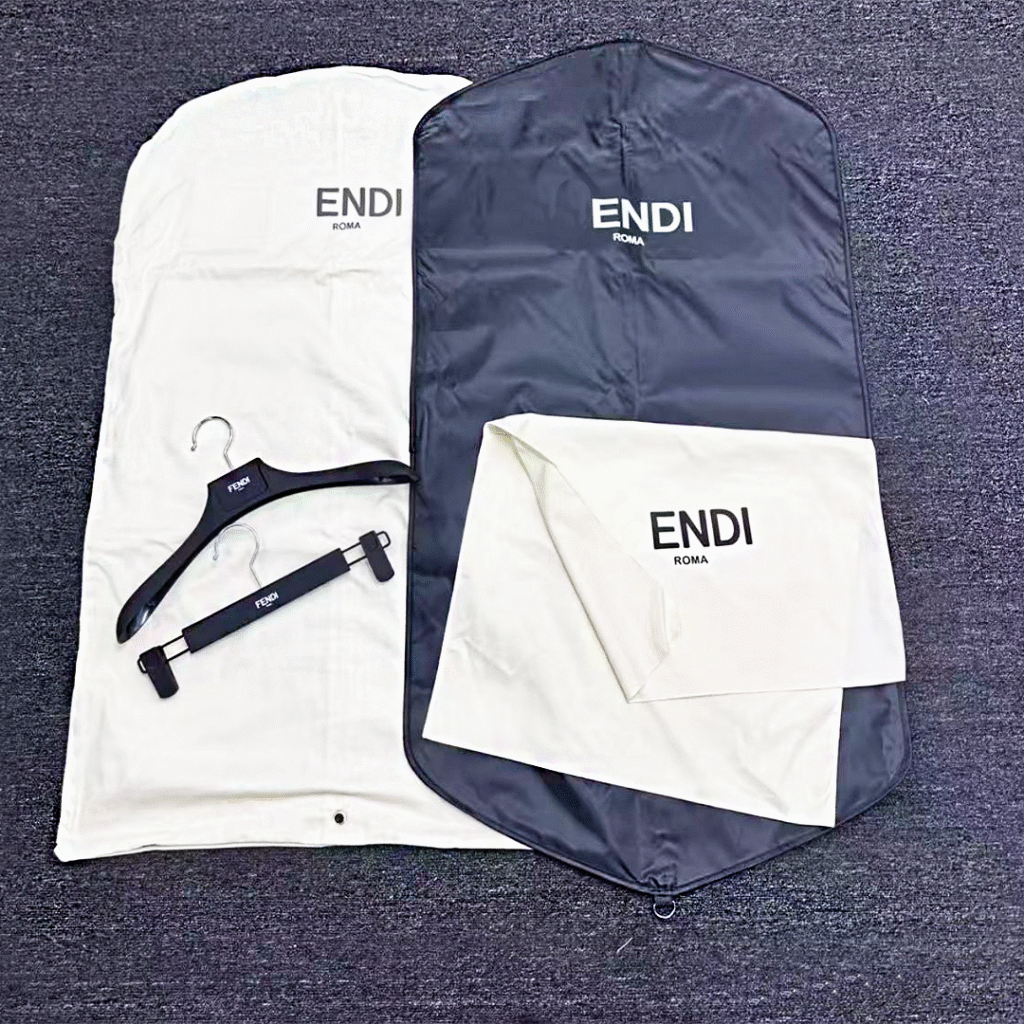
Mistake: Going for the Cheapest Option (Flimsy = Short-Lived)
$5 plastic Clothing Covers from discount stores might seem like a steal—until they tear at the seams after 2 months. Lisa, who owns a small boutique, bought 30 cheap covers for her display dresses: “Half of them split at the seams within 4 weeks. I had to buy new ones, so I spent more than if I’d bought quality first.”
Mid-range Clothing Covers ( 15–30) are worth it. Cotton blends last 2–3 years; recycled polyester resists tears for travel. A cheap cover won’t protect your clothes—think of it as a temporary fix, not a long-term solution. “You get what you pay for with Clothing Covers,” Lisa said. “Quality ones act like a real clothing protector, not a throwaway.”
Cost of error: 10–60 (repeat Clothing Covers purchases) + 40–100 (dry cleaning dusty clothes).
Pro tip: Check reviews for “seam strength”—avoid Clothing Covers with 3+ complaints about tearing.
Mistake: Ignoring Your Use Case (Storage vs. Travel)
A cover for closet storage needs to be breathable; one for travel needs to be water-resistant. Mixing them up causes problems. Jake, a business traveler, used a cotton storage cover for his suit on a rainy trip: “The Clothing Covers got soaked, and my suit was damp for 2 days. I had to rent a suit for my meeting—$200 wasted.”
Match the Clothing Covers to how you’ll use it:
Storage: Cotton/mesh (breathable, dust-proof).
Travel: Recycled polyester (water-resistant, lightweight).
Display: Transparent garment cover (lets customers see clothes without opening—great for boutiques).
Cost of error: 100–300 (rental clothes/dry cleaning) + 25–50 for travel-specific covers.
Pro tip: Buy 2 types if you travel and store—don’t force one cover to do both jobs.
Mistake: Skipping Hardware Checks (Bad Zippers = Frustration)
A broken zipper or flimsy button makes a cover useless—dust gets in, and clothes fall out. Maria, a mom, bought covers for her kids’ school uniforms: “The zippers slid off after one use. The uniforms got dusty, so I had to wash them every week—wasting time and detergent.”
Test hardware before buying! Zip/unzip 3 times—if it sticks or feels loose, skip it. Look for metal zippers (more durable than plastic) and reinforced buttonholes. Even a great fabric won’t help if the zipper fails to keep dust out.
Cost of error: 20–80 (extra laundry/dry cleaning) + 25–50 for new Clothing Covers.
Pro tip: Choose Clothing Covers with double zippers (top and bottom)—they’re easier to open for long coats.
3 Quick Checks to Avoid Mistakes
– Breathable? Hold up to light—if it’s opaque plastic, skip.
– Right size? Measure your biggest piece first, then buy 1–2 inches bigger.
– Good hardware? Test zippers/buttons—no sticking, no looseness.
Wrapping Up
Amy now uses cotton breathable Clothing Covers for her blazers: “No more mildew, no more wasted money. I spent $20 per cover, and they’ve lasted 2 years.” Buying a clothing covers isn’t about grabbing the first option—it’s about matching the cover to your clothes and needs.
Avoid these 5 mistakes, and you’ll save money, protect your favorite pieces, and skip the frustration of ruined clothes. Next time you shop, take 2 minutes to check breathability, size, and hardware—your wallet (and your wool blazers) will thank you.
Need Expert Guidance?
ANG specializes in custom Garment Bag for global fashion brands. Contact us for a free consultation Design and Samples.
 English